How to rent a car in India as a visitor: self-drive rules, IDP and deposits, what hiring a car with a driver includes, black and yellow plates, tolls and how t…
Rent a car with a driver if this is your first trip to India. It costs less than most visitors expect, removes the stress of Indian traffic, and the driver handles parking, tolls and directions. Self-drive rentals do exist in big cities and suit confident drivers on shorter, simpler routes, but you will need the right licence paperwork and a high tolerance for chaos.
## Self-drive or a car with a driver: the quick comparison
| | Self-drive rental | Car with a driver |
|---|---|---|
| Who it suits | Confident drivers, short trips, highways and hill drives | First-timers, city sightseeing, long multi-day tours |
| Paperwork | Your home licence plus an International Driving Permit, passport, deposit | Just your booking |
| Stress | High in cities, moderate on highways | Low |
| Navigation | You, with Google Maps | The driver knows the roads and the shortcuts |
| Parking | Your problem | The driver's problem |
| Typical cost | Daily rate plus fuel, tolls and a refundable deposit | Daily or per-kilometre rate plus driver allowance, tolls, parking and state taxes |
| Flexibility | Total | High, within reasonable daily hours |
Prices change with city, season and car type, so compare a few quotes rather than trusting a figure from an old forum post.
## Can a foreigner legally drive a rental car in India?
Yes, with the right documents. Visitors generally need their valid home licence plus an International Driving Permit (IDP), which India recognises for up to a year from your arrival. Carry your passport and visa as well. Our detailed guide to [driving in India with a US or UK licence](/blog/driving-in-india-with-foreign-licence) covers the IDP rules step by step.
Overseas Citizens of India and NRIs who hold an Indian licence can usually drive on it, provided it is still valid. Licence services and renewals run through the transport ministry's [Parivahan portal](https://parivahan.gov.in/).
Self-drive rental companies set their own extra rules, such as a minimum age, a minimum number of years holding a licence, and a credit card for the deposit. Read these before you book, not at the counter.
## How self-drive rental works in India
Self-drive rental is mostly app or website based, and concentrated in large cities such as Delhi, Mumbai, Bengaluru, Hyderabad, Chennai, Pune and Goa.
1. **Book online** and upload your licence, IDP and passport for verification.
2. **Pay a refundable security deposit.** Ask how long the refund takes and how it reaches a foreign card.
3. **Collect the car** from a hub, or have it delivered to your hotel for a fee.
4. **Inspect it carefully.** Take a slow video of every panel, the tyres, the windscreen and the fuel gauge, with the staff member present.
5. **Check the insurance.** Ask what the damage excess is and whether it covers tyres, glass and the underbody, which take a beating on Indian roads.
6. **Return it** with the agreed fuel level and keep your receipts for fuel and tolls.
A useful detail: legally rented self-drive cars in India carry **black number plates with yellow lettering**. White plates mean a private car, and yellow plates with black letters mean a commercial taxi. If a company offers you a self-drive car on white plates, walk away, because insurance may not cover you.
Highway tolls are paid electronically through FASTag, a sticker on the windscreen linked to a prepaid account. Rental cars should come with one. Confirm it is active and ask how toll charges will be billed to you.
## How hiring a car with a driver works
This is how most visitors, and many Indians, travel between cities. You can book through a hotel, a local travel agent, a tour company, or a ride app's intercity or rental option.
**What you are usually charged for:**
- A daily rate that covers a set number of hours and kilometres, or a per-kilometre rate with a daily minimum
- A **driver allowance** for food and, on overnight trips, a night charge
- Highway tolls and parking
- **State entry taxes** when a commercial car crosses into another state, unless the car holds an all-India tourist permit
- Extra hours beyond the agreed limit
Ask for a written quote that lists what is included. "All inclusive" can mean different things to different operators.
**Where does the driver sleep?** On multi-day trips, many hotels have basic driver rooms or dormitories. In other places, the driver finds his own lodging out of the night allowance. It is a normal arrangement, so do not feel awkward asking about it when you book.
**Tipping** is customary at the end of a trip, especially if your driver has been helpful. A thank-you that reflects the number of days and the quality of service is the norm.
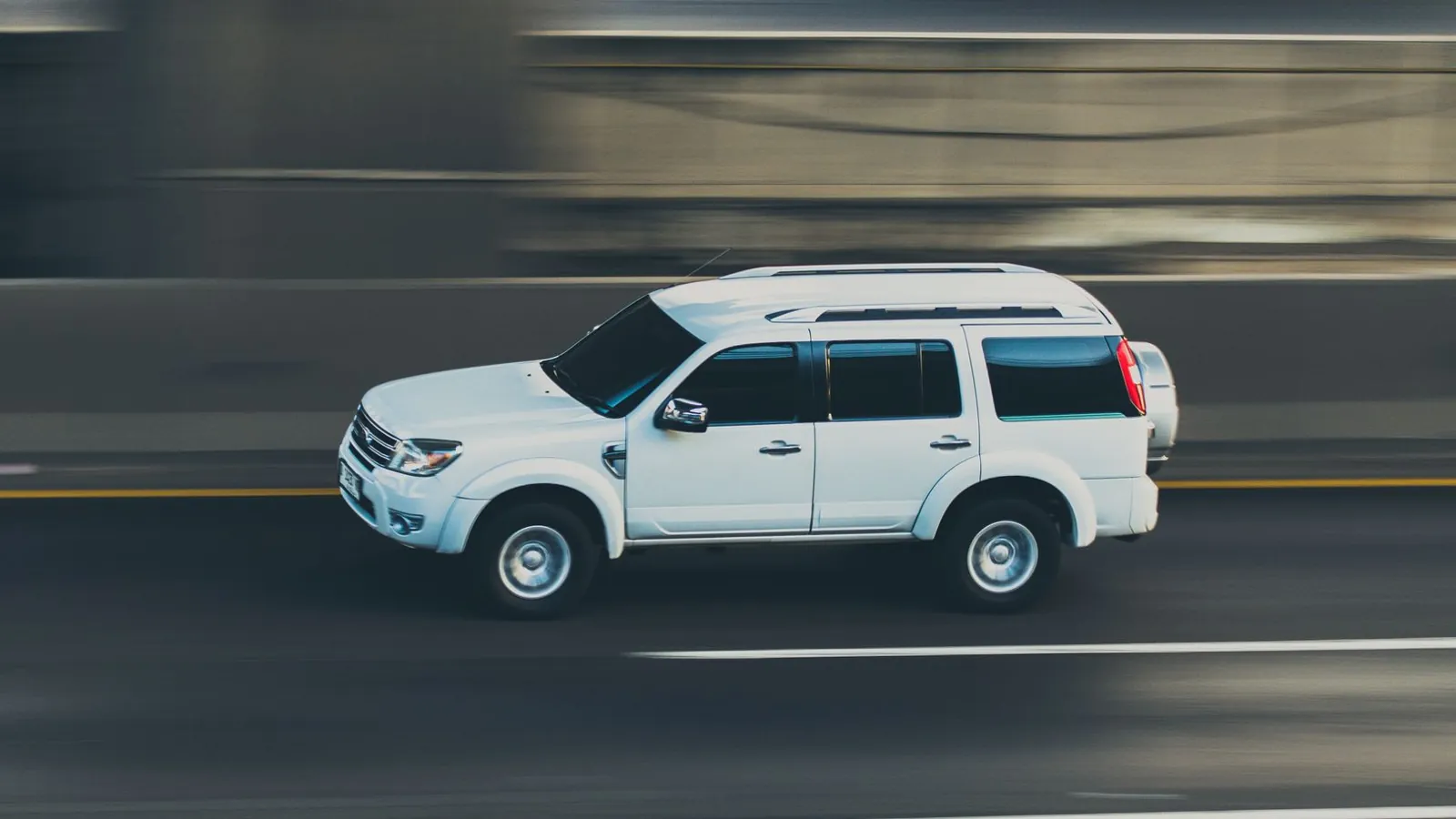
**Choosing the car.** Small hatchbacks are cheap but cramped for long drives with luggage. A sedan suits two people. For families, hill roads or rough rural stretches, a larger SUV or MPV is far more comfortable.
## Tips for a smooth trip either way
- **Plan shorter days than you think.** Average speeds in India are lower than in Europe or North America because of towns, trucks, animals and speed breakers. Use the map's time estimate, then add a margin.
- **Avoid driving at night** on highways and rural roads. Unlit vehicles, pedestrians and animals are hard to see.
- **Carry cash** for small tolls on state roads, parking attendants and roadside tea stops.
- **Keep documents in the car.** Registration, insurance and permit papers should be in the glovebox. Many states also accept digital copies through the official DigiLocker and mParivahan apps.
- **Check advisories** before going to remote areas, for example your own government's page such as the [UK's India travel advice](https://www.gov.uk/foreign-travel-advice/india) or the [US State Department's India page](https://travel.state.gov/).
If you are deciding where to go, our list of [India's best road trips](/blog/best-road-trips-in-india) picks ten routes that reward a car and a few spare days.
Long drives also leave plenty of time to talk about the places you pass through. A fun way to test what you pick up along the way is the [Bharat Ko Janiye Quiz](https://bkjquiz.com/?utm_source=dgamaf53&utm_medium=paid_search&utm_id=d53), the official quiz of India's Ministry of External Affairs. It is free to join and open to everyone worldwide, and you do not need to be Indian to take part.
## Which should you choose?
Pick a **car with a driver** if it is your first visit, you are covering several cities, you want to watch the scenery, or you are travelling with children or older relatives.
Pick **self-drive** if you have driven in busy traffic before, your route is mostly highways or hill roads, you value privacy and flexibility, and you have your IDP sorted.
Many visitors combine the two: a driver for the big cities, then a self-drive car for a few relaxed days in Goa, Kerala or the hills. Before you set off on your own, read up on [Indian road rules, written and unwritten](/blog/indian-road-rules-for-foreigners) so the first roundabout does not come as a shock.
 CarsbikesPrices